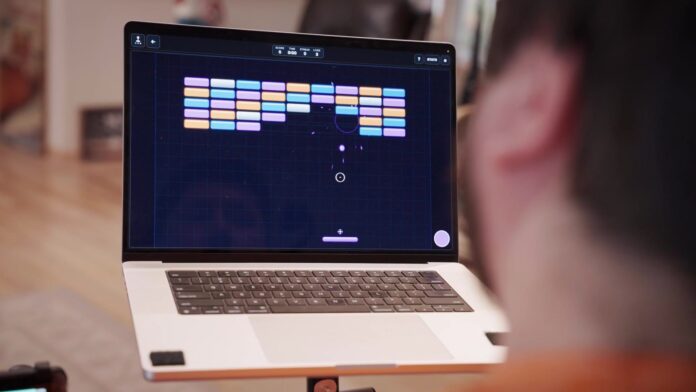

Neuralink has received U.S. Food and Drug Administration approval to start the LINK Pivotal Study, which the company calls the first pivotal trial of an implantable brain-computer interface in the United States. The study will test whether people with severe paralysis from ALS can use the implant to control computers and phones by thought, and enrollment is already open.
The company announced it on Wednesday, Nov. 25, in a post on its website and on X at 3:54 PM ET / 12:54 PM PT (5:54 AM JST, Thursday, Nov. 26).
Post embedded from Neuralink’s official X account (@neuralink).We’ve received FDA approval to launch LINK, the first pivotal trial for an implantable brain-computer interface in the US. This builds off of our work with 30+ participants with Neuralink to date.
— Neuralink (@neuralink) November 25, 2026
Those with ALS may be eligible. To learn more:
neuralink.com/trials/device-control/
Why “pivotal” is the word that matters
What it means, in plain English. Medical devices usually go through two kinds of human studies. Early feasibility studies are small and mainly ask, “Is this safe, and does it basically work?” A pivotal study is the larger, more formal trial whose results a company normally takes back to the FDA when it asks for permission to sell the device. Neuralink has been in the first stage since its first human implant in January 2024. This approval moves it into the second.
It’s not a sales approval. MobiHealthNews notes the FDA’s green light allows Neuralink to run the trial but doesn’t let it market the device, and the company hasn’t said how many people it will enroll, how long the study will run, or which hospitals will take part. Bloomberg describes it the same way, as a step up from the early studies focused on initial safety and basic function.
What the trial will measure
Neuralink says the study will look at “functional outcomes that improve independence in daily life,” meaning whether participants can actually get everyday things done with the implant, and will keep tracking long-term safety and reliability across several clinical sites. According to the company, more than 30 people have now been implanted in its early studies in the U.S., Canada and the U.K., and together they have logged thousands of hours of real-world use. Participants have used it to study, make art, play video games and talk with family.
The setup is the one Neuralink has used all along. The coin-sized N1 implant sits in the skull, and the company’s R1 surgical robot places ultra-thin electrode threads into the part of the brain that plans hand movements. Users learn to steer a cursor just by imagining moving their hand, and those imagined motions get mapped to mouse moves and clicks. On its trial page, Neuralink says most participants go home about a day after surgery, then have follow-up checks at roughly 10 and 45 days and at 3, 6, 12 and 24 months, some in person and some from home. Digital Trends points out that this study is narrower than the early ones, which also took people with spinal cord injuries and brainstem strokes. LINK is for U.S. adults with ALS.
ALS (amyotrophic lateral sclerosis) is the disease that gradually takes away the nerve signals to the muscles, while usually leaving thinking, hearing and sight intact. That’s exactly the group a brain-to-computer link is built for: people whose minds are fine but who are losing every physical way to use them.
How we got here
Neuralink has been stacking results. Last month it shared its first numbers from a speech study, with an ALS patient hitting 75 words per minute in week one. Its speech and vision projects have FDA “Breakthrough Device” status, which speeds up reviews but, as Digital Trends notes, is not a marketing approval either. Drive Tesla Canada and Engadget both describe the pivotal study as the step that could eventually open the door to a commercial product.
The whole robotics-and-AI side of Elon Musk’s world is moving at once this week. Tesla appears to be lining up a German gear-machine maker for Optimus, and now Neuralink has the trial format it needs to ask for a real product.
The EVX Take
Japan is working on the same problem, more quietly. Osaka University spinout JiMED filed a plan with the government this year for a trial of its own wireless implant for ALS, NHK reported in June. The Yomiuri describes the approach: an electrode sheet a little larger than a 500-yen coin laid on the surface of the brain, and a hiragana chart on screen where the patient picks letters by imagining gripping a hand. Japan also already has a non-implant brain-signal device in use for stroke rehab, from Keio University spinout LIFESCAPES. The difference is scale and speed. Neuralink has 30-plus people living with its implant and a pivotal trial approved, while Japan’s implant work is at the first-trial stage. About 9,700 people in Japan held ALS designated-disease certificates in fiscal 2023, according to the Japan Intractable Diseases Information Center. A U.S. approval won’t reach them directly, but a successful pivotal study would give Japanese regulators and doctors a large body of data to work from, and it would put pressure on Japan’s own BCI makers to move faster.
Image: Neuralink, still from its official X video announcing the LINK Pivotal Study (@neuralink).Follow @teslaloha on X for more

